
Fin’s Fear of Death and His Racing Future
Gente que viene y ¡Bah!Fin’s abstract fear of death gradually reveals a concrete fear of losing the future he wants, leading him and Irene toward a new life in Belgium.
increasing Bearing strength in each event
 decreasing
Bearing strength in each eventdecreasingExistential Questions
Death enters the conversation
A troubling question
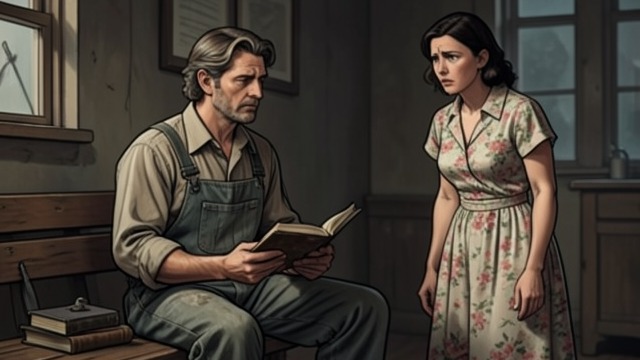
Fin asks Ángela how she can celebrate turning sixty-five when she has so little life left. His question shocks the family and exposes how much he has begun to think about mortality.
An unexpected change
Irene says Fin has become anxious, has nightmares, and sometimes cannot sleep. This is striking in a boy celebrated for motocross, whose energy and confidence had seemed boundless.
The family first treats his concern as adolescent philosophizing. Over time, however, they recognize that the abstract language conceals distress that deserves attention.
A Mother’s Old Fear
What Fin may have witnessed
Irene looks back
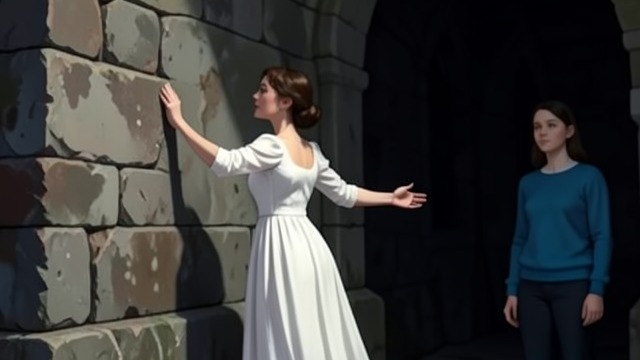
Irene tells Bea that while she was being treated for cancer, she clung to the effort to restore the Romanesque Chapel as if finishing the project might keep her alive. Her faith in that outcome was not literal so much as an expression of terror.
A possible inheritance
Bea wonders whether Fin sensed Irene’s fear during medical checkups and absorbed it. Irene doubts that the illness alone explains his state, but the conversation makes clear that a family history of fear can remain emotionally present after the crisis has passed.
This perspective widens the story beyond a single anxious teenager. Fear can be inherited through attention, silence, and the fragile routines families build around illness.
A Risky New Category

Leaving a familiar level
The new motorcycle
Fin is moving to a larger motocross category and worries that the heavier bike will expose him to older, more experienced competitors. He says the sport may no longer be enjoyable.
Family encouragement
Bea and Jonás urge him to leave his comfort zone and accept the possibility of losing. Their support is sincere, though they do not yet understand how closely the competition is tied to his sense of purpose.
Fin agrees to race, but the encouragement raises the stakes for him. If he fails, he fears that he may lose not only status but the future he has imagined.
The Crash and the Rescue

A fear becomes immediate
The accident
Fin loses control on the muddy track and crashes beneath motorcycles. Bea is overwhelmed by the possibility that he may die, blaming herself for having encouraged him to compete.
Teodoro reaches him
Teodoro runs onto the course and helps free Fin. The boy is conscious and later receives medical checks that reveal injuries but no lasting catastrophe.
The crash makes the family’s talk about death immediate and physical. Its aftermath also allows Fin to see that the people around him will remain present through failure, injury, and fear.
Naming the Real Fear
A concrete desire beneath dread
Teodoro’s account
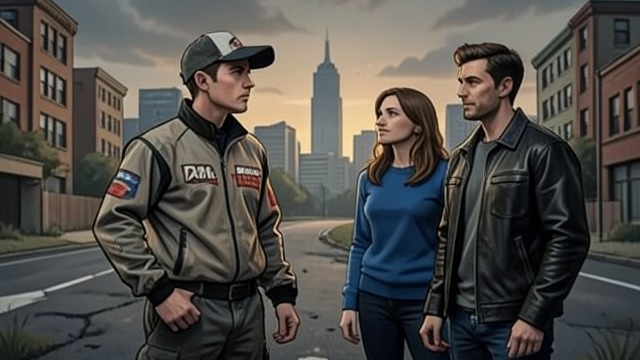
During family reflection on Ángela’s notes, Teodoro explains that Fin’s terror of death is tied to the prospect of losing his motocross future. Fin wants to compete at a higher level, but doing so means leaving Spain and relying on a parent to accompany him.
A decision to move
Irene recognizes that Fin needs more than reassurance; he needs a path toward the life he wants. She agrees to take him to Belgium, where he can train with a leading team, and begins studying Dutch.
Fin’s anxiety eases when the family treats it as a signal about his future rather than an abstract defect. His move turns fear into a difficult but actionable choice.
At Ángela’s birthday celebration
During a private walk to the Romanesque Chapel
Before Fin’s first adult-class motocross race
During the Hinojedo race
After Ángela’s funeral
